
At the newly restored Park Hyatt Tokyo, Club On The Park treats the calendar like a treatment ingredient, swapping massage oils four times a year to reflect the season outside.
In Tokyo, the cherry blossom forecast gets more daily news coverage than most cities give their weather, restaurant menus turn over by the week, and department store windows change before most people have even adjusted to the new month. Club On The Park, the spa inside the newly restored Park Hyatt Tokyo, is one of the few hotel spas that’s built around that same idea. It doesn't have a house massage oil; rather, it has four: Asakura sansho in spring, Japanese peppermint in summer, kuromoji in autumn and Kyoto yuzu in winter. Which one takes center stage depends on the date on the calendar.
Photo Credit: Park Hyatt Tokyo
The Oils
The oils themselves are worth knowing by name. Asakura sansho is a bright, faintly numbing pepper more commonly used to season sashimi than skin. Japanese peppermint is cool and sharp—the kind of scent that seems to lower the room's temperature before a hand even makes contact. Kuromoji, pulled from a shrub long used in traditional Japanese medicine, is woody and a little medicinal in the best way. Kyoto yuzu, warm and faintly sweet, closes out the year. Guests are invited to choose the seasonal oil or simply whichever one they're in the mood for.
The oils aren’t confined to one treatment; they’re built right into the menu. The flagship Tokyo Massage is where this seasonal approach shows up best. This 60- or 90-minute treatment blends Japanese and Western techniques with whichever oil matches the season, and is performed to the gentle, deliberate rhythm of jazz. In the Tokyo Elixir Facial, the 90-minute signature facial, a seasonal oil opens the ritual during a foot ceremony before the treatment moves into a shiatsu-inspired back massage and lymphatic drainage performed with Kumano brushes (traditional Japanese calligraphy brushes repurposed for their feather-light sweep across the skin, closer to being painted than massaged).
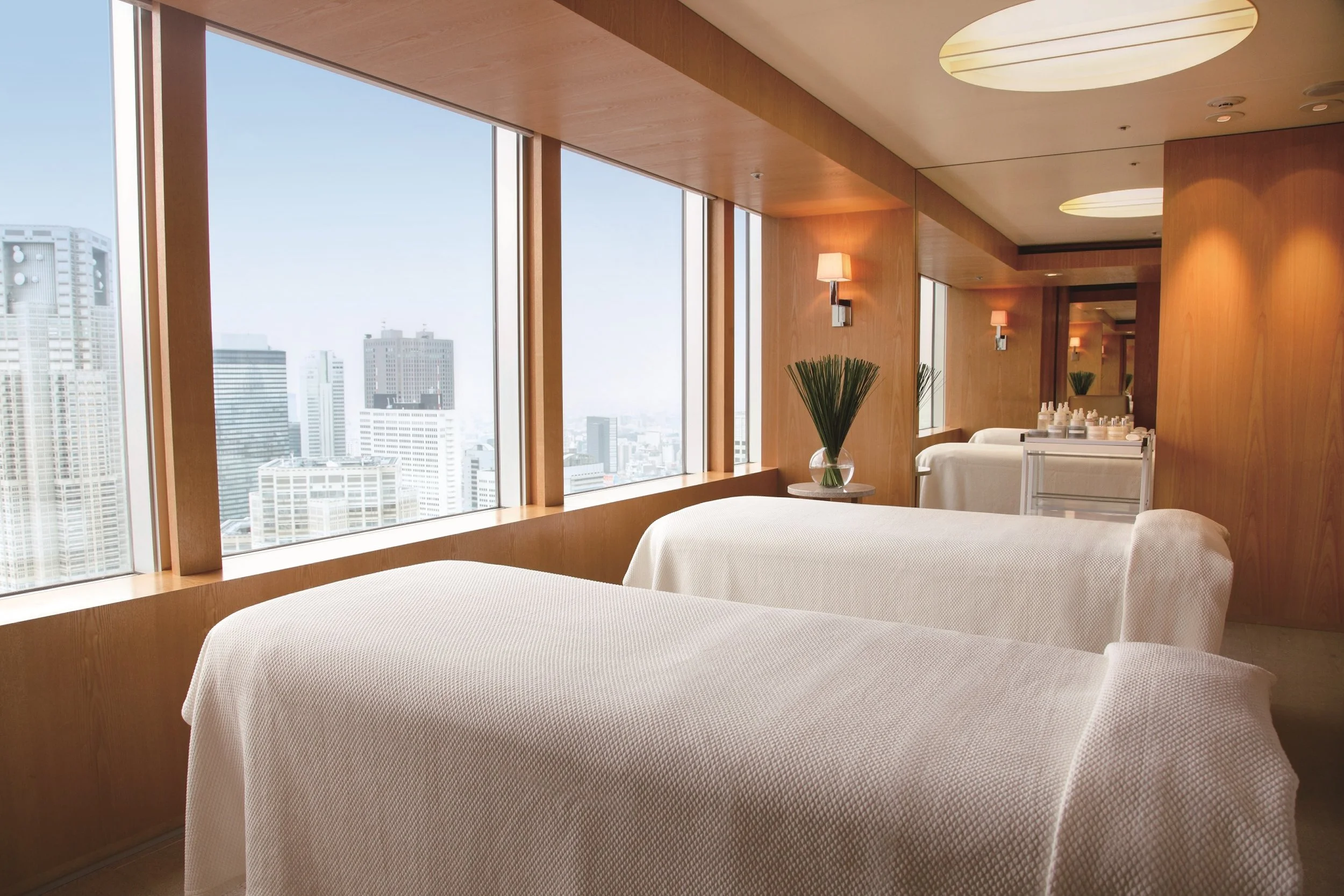
Photo Credit: Park Hyatt Tokyo
What Else the Spa Offers
Beyond the seasonal signature treatments, the menu has real range. There's a Deep Sleep massage built around magnesium and sound therapy for anyone adjusting to jet lag, and a treatment called Sea-Tox that incorporates breathwork and infrared for a more recovery-focused experience. The spa also partners with The Tides, a Dutch wellness brand, on The Healer—a longer ritual that mixes craniosacral technique and tuning forks with a mineral-rich body mask.
For anyone chasing a specific result rather than general relaxation, The Fixer and Muscle Release both use fascia cupping and cryotherapy, one aimed at contouring and fluid retention, the other at chronic tension. Facials run through Omorovicza, the Budapest skincare line built around thermal mineral water, and guests with more time to spend can book a half-day Time Escape retreat or a private two-person suite experience on the 45th floor.
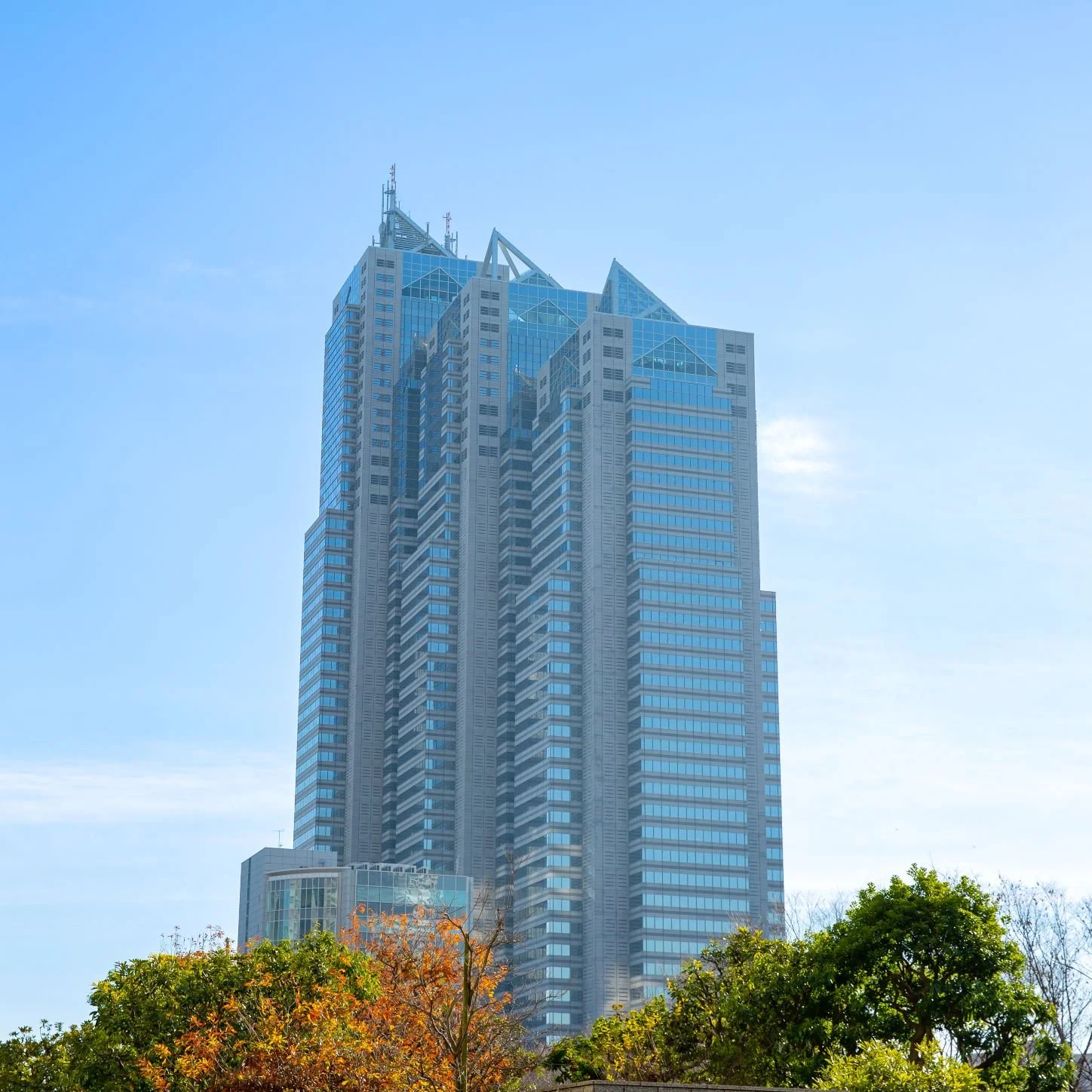
Photo Credit: Park Hyatt Tokyo
The Hotel
The spa is one piece of a much larger story. Park Hyatt Tokyo opened in 1994 as Asia's first Park Hyatt, occupying the top 14 floors of Kenzo Tange's Shinjuku Park Tower, and quickly became a major fixture of the city's skyline. It is perhaps best known as the setting for Lost in Translation, complete with glass atriums and view-heavy interiors that are instantly recognizable even to people who've never set foot in Tokyo.
It reopened in December 2025 after a 19-month restoration (the most extensive renewal in the property's thirty-year history), led by the Paris-based design studio Jouin Manku, the firm also behind La Mamounia. The restoration touched all 171 guest rooms and suites, added a new restaurant, Girandole by Alain Ducasse, and refreshed existing venues like the Peak Lounge & Bar and New York Grill & Bar. The panoramic skyline views—and, on a clear day, Mount Fuji—remain unchanged and have long defined a stay here.
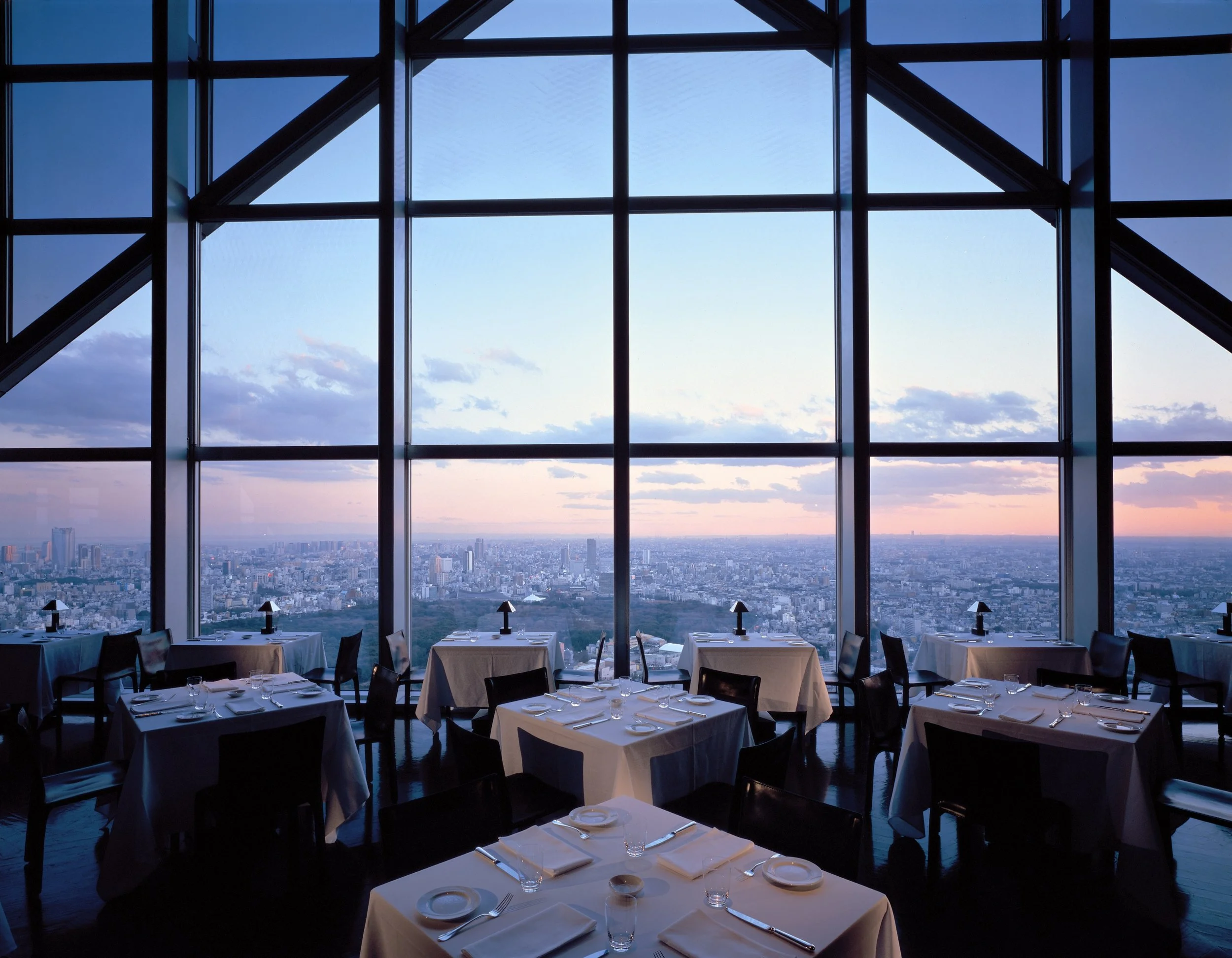
Photo Credit: Park Hyatt Tokyo
The Takeaway
The seasonal oils are the detail most worth remembering, but they offer a glimpse into the thoughtfulness of the spa—and the hotel, for that matter. Even the smallest technical choice, like using centuries-old Japanese calligraphy brushes for lymphatic drainage, shows how the treatments draw from Japanese culture and craft. It's what sets Club On The Park apart, 45 floors above Tokyo.
Club On The Park is located within Park Hyatt Tokyo, Shinjuku. Reservations can be made through the hotel concierge; the spa is limited to hotel guests and club members.
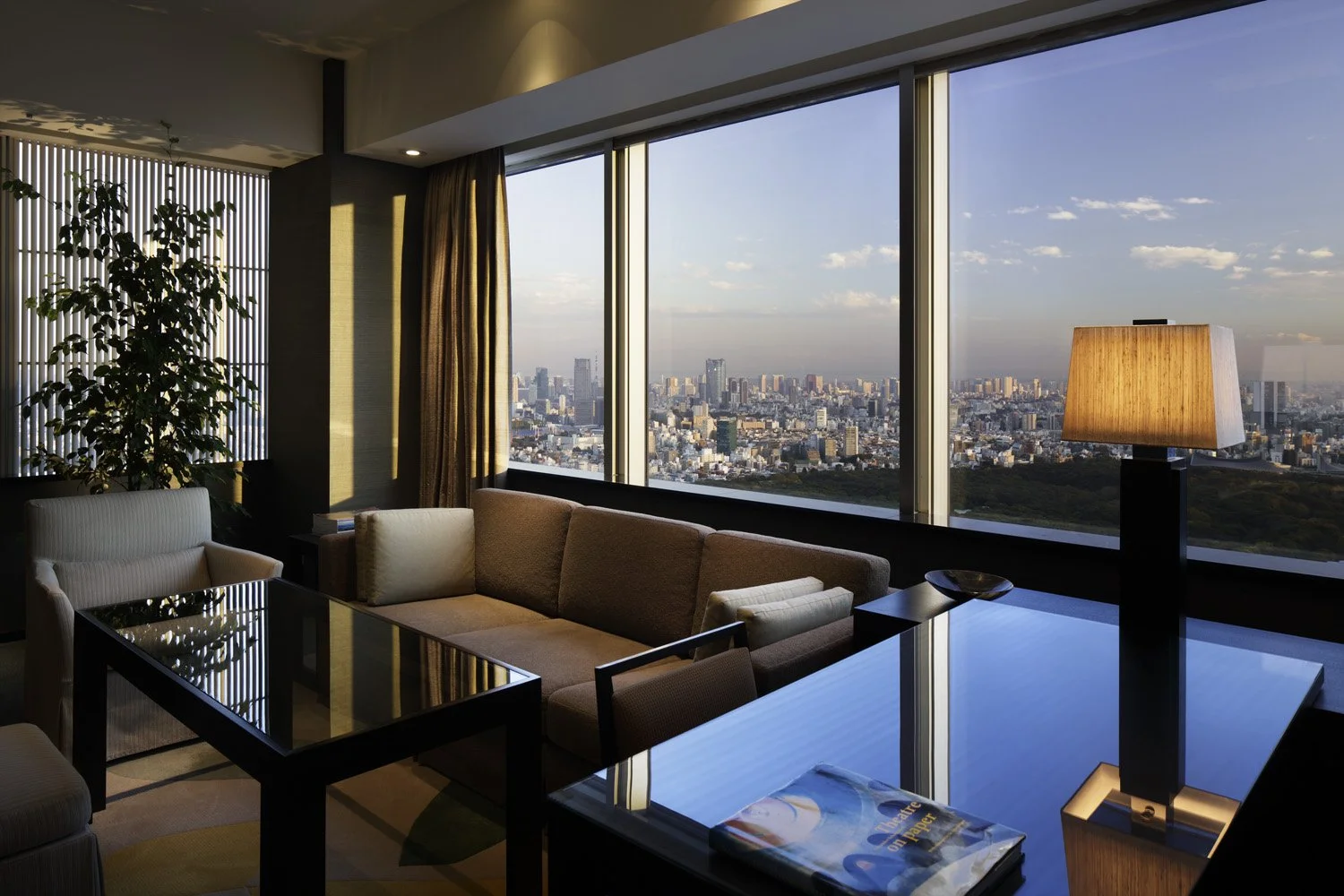
Photo Credit: Park Hyatt Tokyo
Know Before You Go
Location: Shinjuku, Tokyo, Japan
Getting There: Fly into Haneda or Narita International Airport, then train or taxi to Shinjuku (about 30–45 minutes from Haneda)
Opened: 1994; restored 2025 (19-month renovation, completed December 2025)
Best Season to Visit: Spring for cherry blossoms and the Asakura sansho oil, or autumn (October–November) for foliage and the kuromoji oil.
Ideal for: Couples, wellness travelers, design lovers, anyone wanting a quiet, view-driven stay above the city
Don't Miss: The Tokyo Elixir Facial and its Kumano brush drainage technique, the Tokyo Massage set to jazz, and Mount Fuji views from the 45th-floor spa on a clear day.
Learn more: hyatt.com/park-hyatt/tyoph-park-hyatt-tokyo
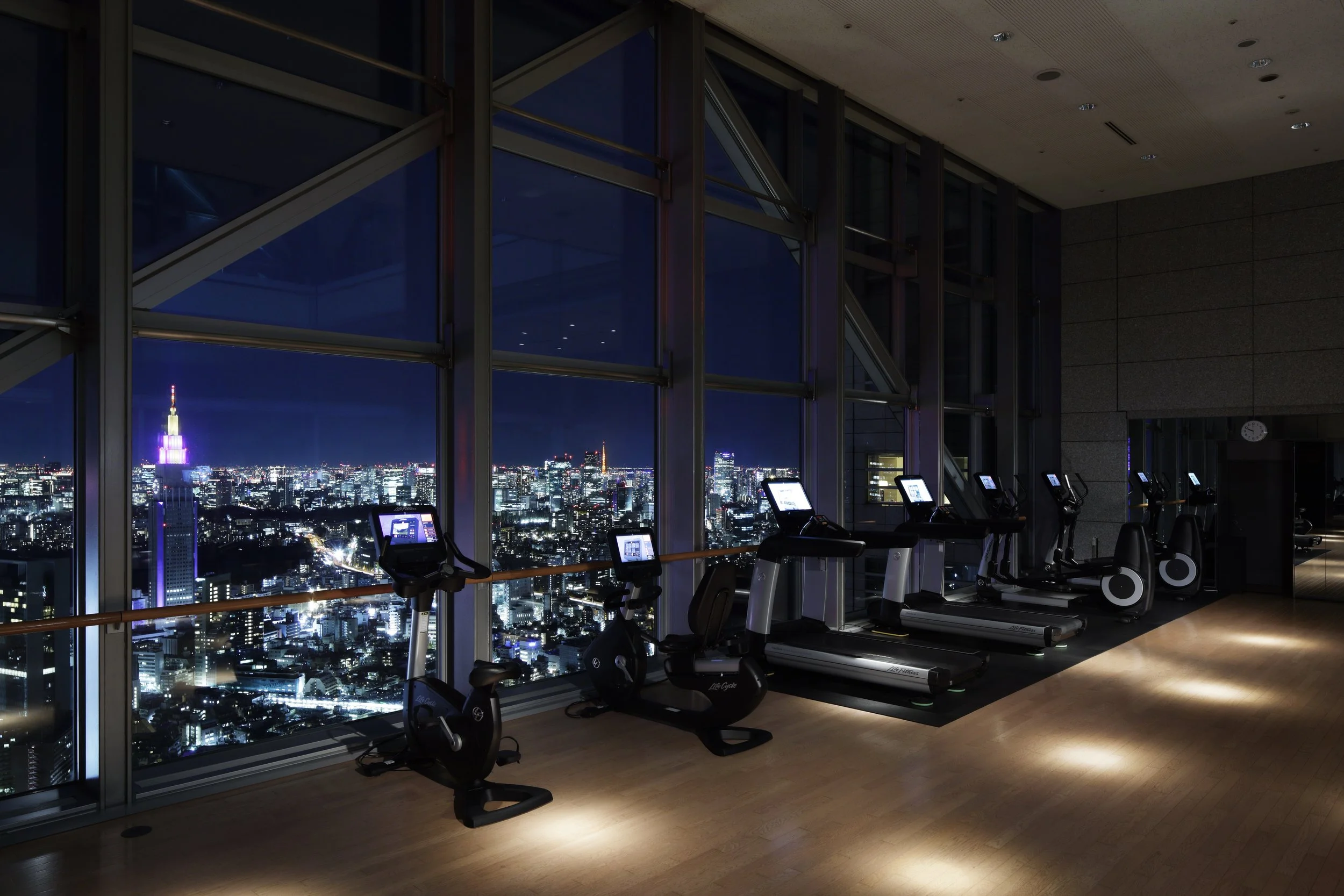
Photo Credit: Park Hyatt Tokyo